




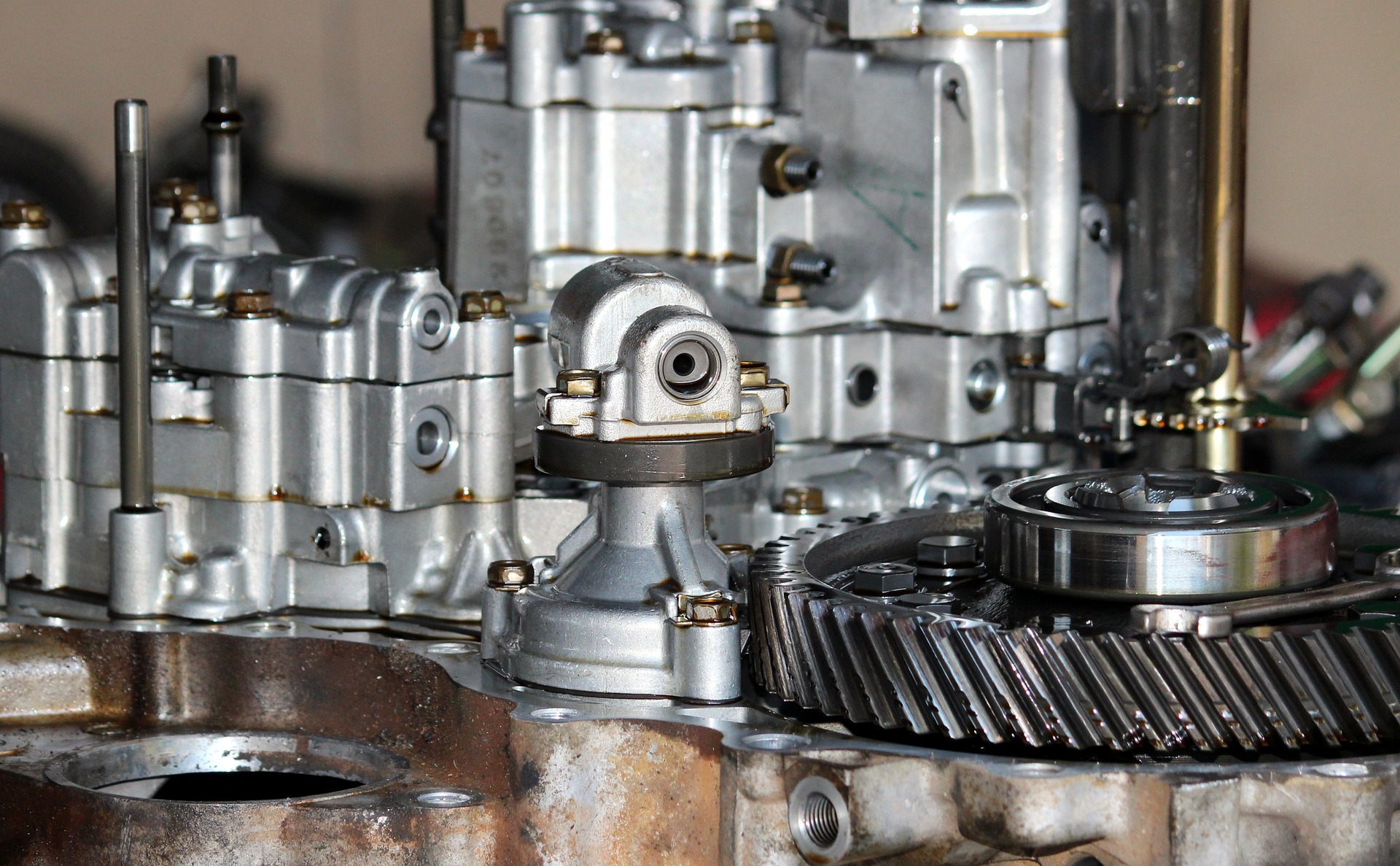
Engine problems can gradually appear if your Chrysler is overdue for a service. This happens as your engine contains numerous systems that require regular cleaning, replacement, or other maintenance. Fortunately, your Chrysler dealer is here to help you. We can repair any possible problem and prevent it from returning through your car’s maintenance program. These are a few of the problems that can develop.
Poor Compression
Compression is part of the combustion process. Combustion requires a 14:1 air-fuel mix. This mixture is injected into the cylinders, where it’s compressed under pressure. When compression reaches its highest point, the mixture is ignited by the spark plug. This process creates a controlled explosion, and these explosions move your Chrysler.
Low compression reduces your engine’s power. It can be caused by holes in the cylinders, broken seals, worn piston rings, or a blocked air filter. A blocked filter, for example, will reduce the amount of air in your engine. Lack of air results in a higher fuel concentration in the combustion chamber. Without enough air, the cylinders can’t generate the required pressure for compression.
Dirty Oil
Oil is vital for your engine, as it lubricates all the moving parts. It contains a variety of additives, which help to keep your engine clean, prevent rust buildup, and disperse the sludge that forms in the engine. Oil plays a part in cooling the hot engine components and surrounds them with a friction-resistant barrier to reduce wear. As the oil ages, many of these benefits cease.
The additives wear out, sludge increases in the engine, and the engine temperature increases slightly. Old oil becomes thicker due to rust particles and other debris it absorbs. The thicker oil becomes slower, which reduces its cooling properties. To remove these problems, we’ll replace the oil filter with a new one. We’ll also drain the oil and replace it.
Damaged Ignition Coils
Spark plugs provide the ignition source for combustion, but they don’t do this alone. Spark plugs produce 12 volts, which isn’t enough power to ignite the fuel-air mix. Each spark plug has an ignition coil attached to it, and these coils amplify the spark plug’s power from 12 volts to 30,000 volts. This provides the plugs with more than enough power.
Ignition coils can be damaged by moisture, dirt, and other contaminants. This is because the coils have to be placed in an area of the engine where vibrations, heat, and dirt are present. A failed ignition will prevent its attached spark plug from receiving enough power. This will cause its attached spark plug to misfire.
Problems in an engine will get worse if they’re not repaired. Call us today at Northern Prairie Auto Sales, and we’ll fix the problem for you.
Connect with us


