


No driver wants to have the nightmare of mashing the brakes and nothing happens. Thankfully, good maintenance and fixing problems before they become serious can prevent this nightmare. As your Chrysler dealer, your safety is important to us. We would like you to know some of the signs you need to come in for a brake repair.
Brake Fluid Leak
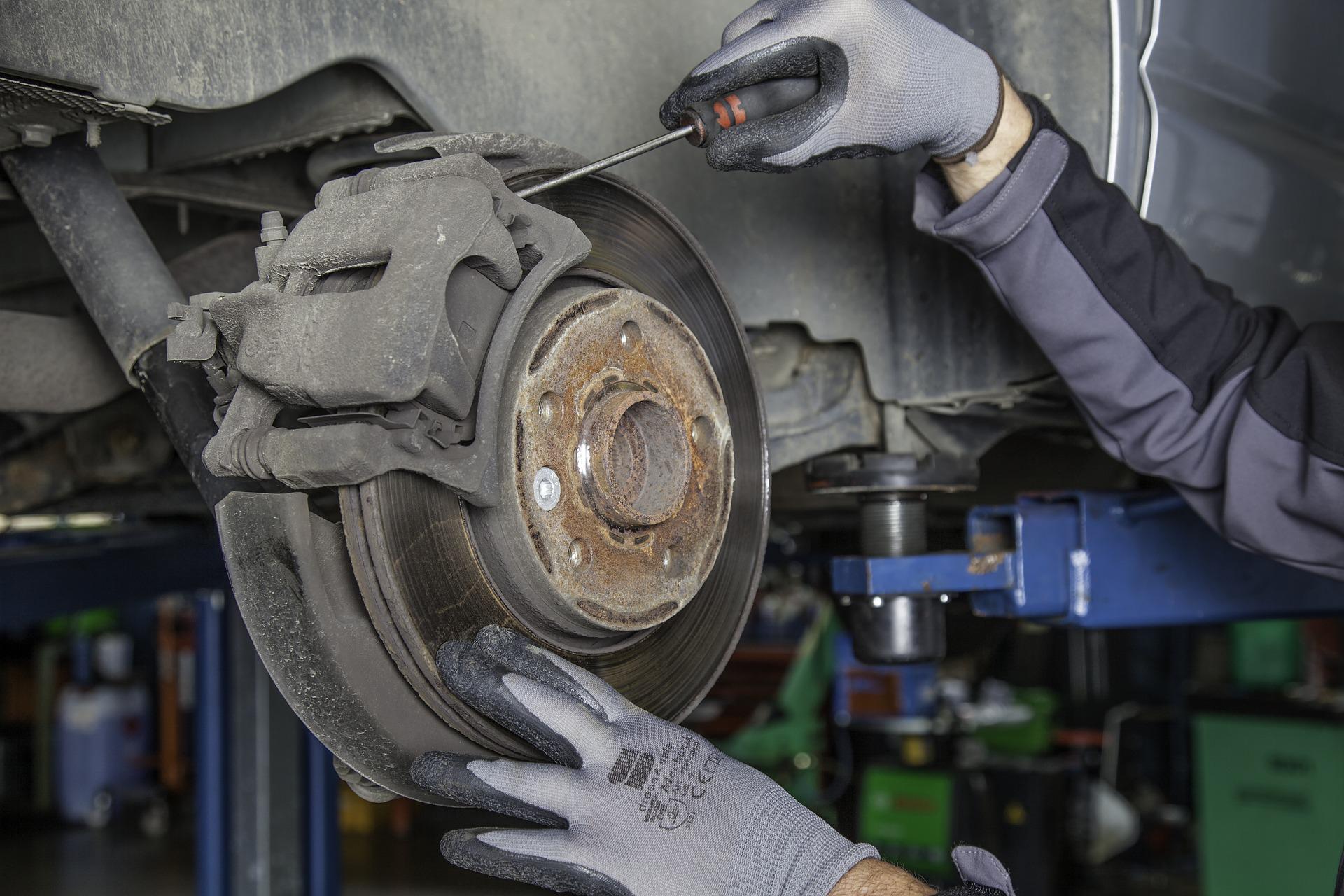
Brake fluid is an essential part of your braking system. When you step on the brakes, a signal is sent to the master cylinder that controls your brakes. The master cylinder will release brake fluid into the brake hoses. This fluid is pressurized and exerts hydraulic pressure on the calipers. These calipers sit above your wheel rotors, and they will close on the wheel rotors. The pressure on the wheel rotors will bring them to a halt.
A leak in the hoses or from the brake fluid reservoir will reduce the pressure in the system. Your brakes will feel “spongy” when you press the pedal. The lack of fluid will slow down the response of the braking system. This is dangerous, as your brakes should apply almost as soon as you hit the pedal.
Hard Pedal
If you step on the brake pedal and there’s almost no movement, you have a problem with your brakes. There should be resistance when you apply pressure to the pedal, and this resistance increases as you apply more pressure. A pedal that doesn’t move means that either your brake fluid is too hot or the brake booster in your brakes has failed.
The brake booster provides over 5 x the force you apply, making it easier to apply the brakes. This booster depends on a vacuum to operate, and a small hole in the booster will cause it to fail. Brake fluid that gets too hot through frequent hard use of the brakes loses its hydraulic ability, which makes the brakes more resistant. Our technicians can fix either of these problems, as we have the parts in store.
Soft Pedal
This is the opposite of a hard pedal. In this case, a very light touch on the pedal causes it to move. The problem with the situation is a lack of pressure from the master cylinder. Without this pressure, your brakes won’t apply as quickly or effectively as they should. Two of the main causes of a soft pedal are an air bubble in the hoses or a fluid leak in the system.
Air should never be in the braking system, but it can find its way in through even the smallest gap. The air will form a bubble and block the hose preventing brake fluid from passing through. A lack of brake fluid due to a leak will reduce the pressure in the system and make the brakes more difficult to operate.
Don’t compromise on your safety. If you have a brake problem, call us at Northern Prairie Auto Sales, and we’ll fix it.
Image by Gerald Oswald from Pixabay
Connect with us


